Golf training app
Part-time iOS app with body recognition for golf training.
- Brand
- Golf Boost
- Deliverable
- iOS app
- Role
- Principal Product Designer
- Industry
- Sports
- Year
- -
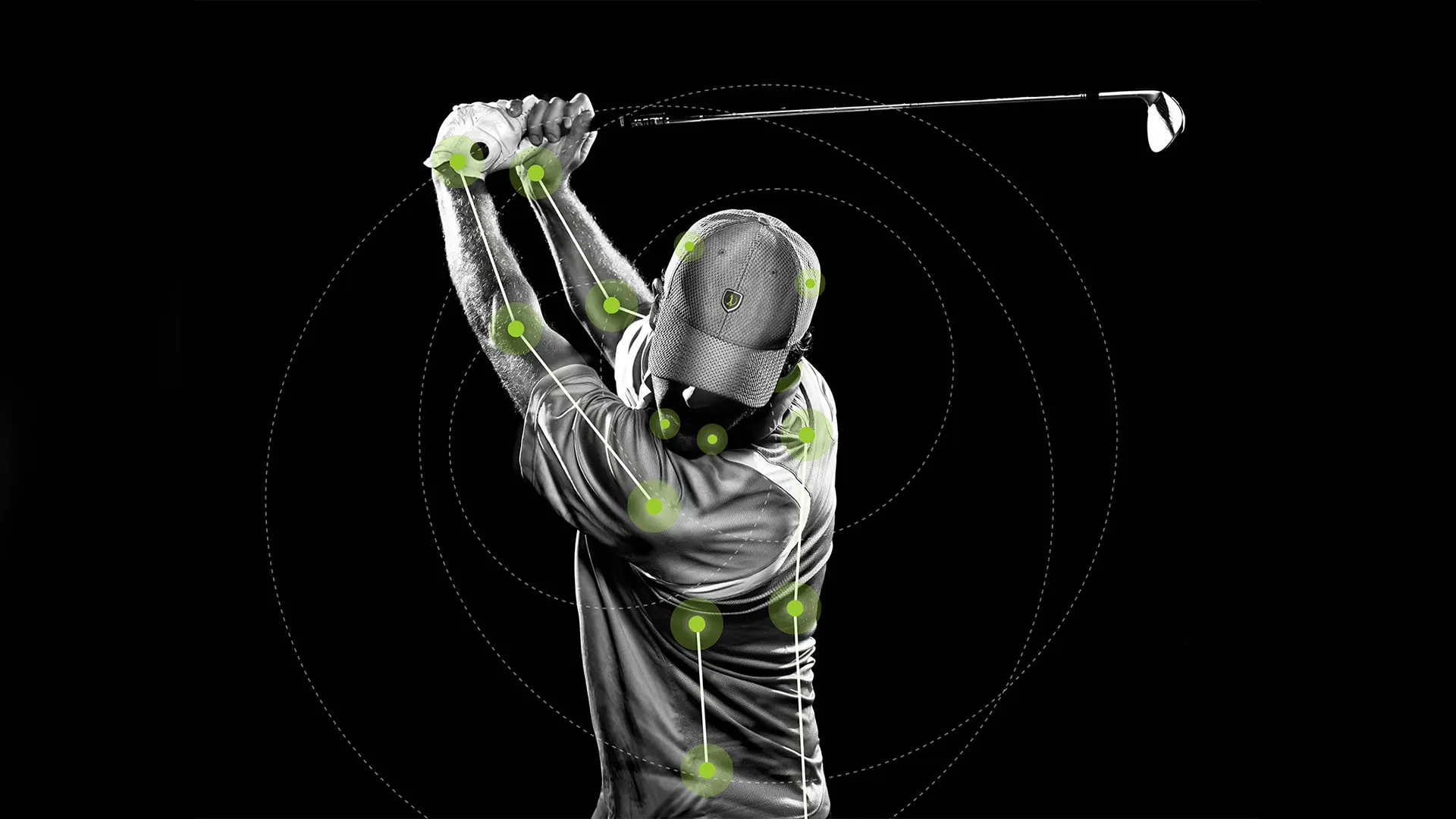
How do you coach a swing from a phone?
Golf Boost Software Company made a golf training app. I designed the iOS app, the branding, and the experience.
The app
The feedback
The brand
Problem: feedback people could follow.
I designed an iOS app that used body recognition to detect movements and give people feedback they could follow. User interviews shaped the interaction and usability decisions, so the interface followed how people actually trained.
Opportunity: training for golfers anywhere.
This was part-time work, in projects rather than a continuous engagement. It ran in parallel with my full-time roles. I worked directly with the owner, who was based in Miami, but the app was built for golfers well beyond that city.
Frame
Capture
A first week
An app that watches the swing
Core flows
Fit the frame, then swing
Feedback you can follow
A free first week
The prototype
The original InVision prototype, rebuilt. Tap through it.
A brand and a system around the training
I led the rebranding of Golf Boost, tightening the visual identity and how people met the product. I also built the design system and the visual and interaction foundations so the product felt cohesive as the team kept building. The engagement stayed part-time. The system was what let the work continue between projects.
What we were willing to trade
The work came in separate projects alongside my full-time jobs. Without a system, each project would have restarted the identity.
The engagement was part-time. The product still had to feel like one product.
What I learned
Interviews set the interface
A system for a part-time product